Olio e ricordi in cucina
July 9th, 2012 Tagged with: cooking • food • recipes by Fulvio Ferri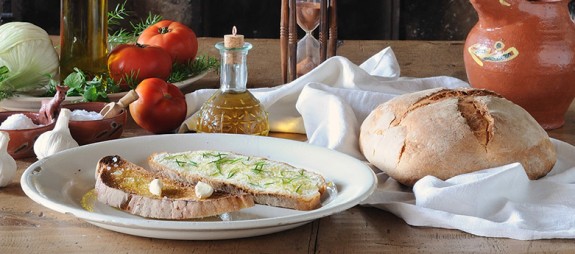
One of the reasons that fruit and vegetables taste so good in Italy is that they are eaten during their specific season. No one would try to plan a winter menu around fresh artichokes or cherries nor should you be looking for porcini mushrooms before mid-October. Here is a rough guide to fruits and vegetables according to the season when you can find them in farmers’ gardens and buy them at the local (central Italy, Lazio) markets. Seasons may vary according to where you are on the Italian peninsula.
Order this book along with another for shipment abroad and save on postage.
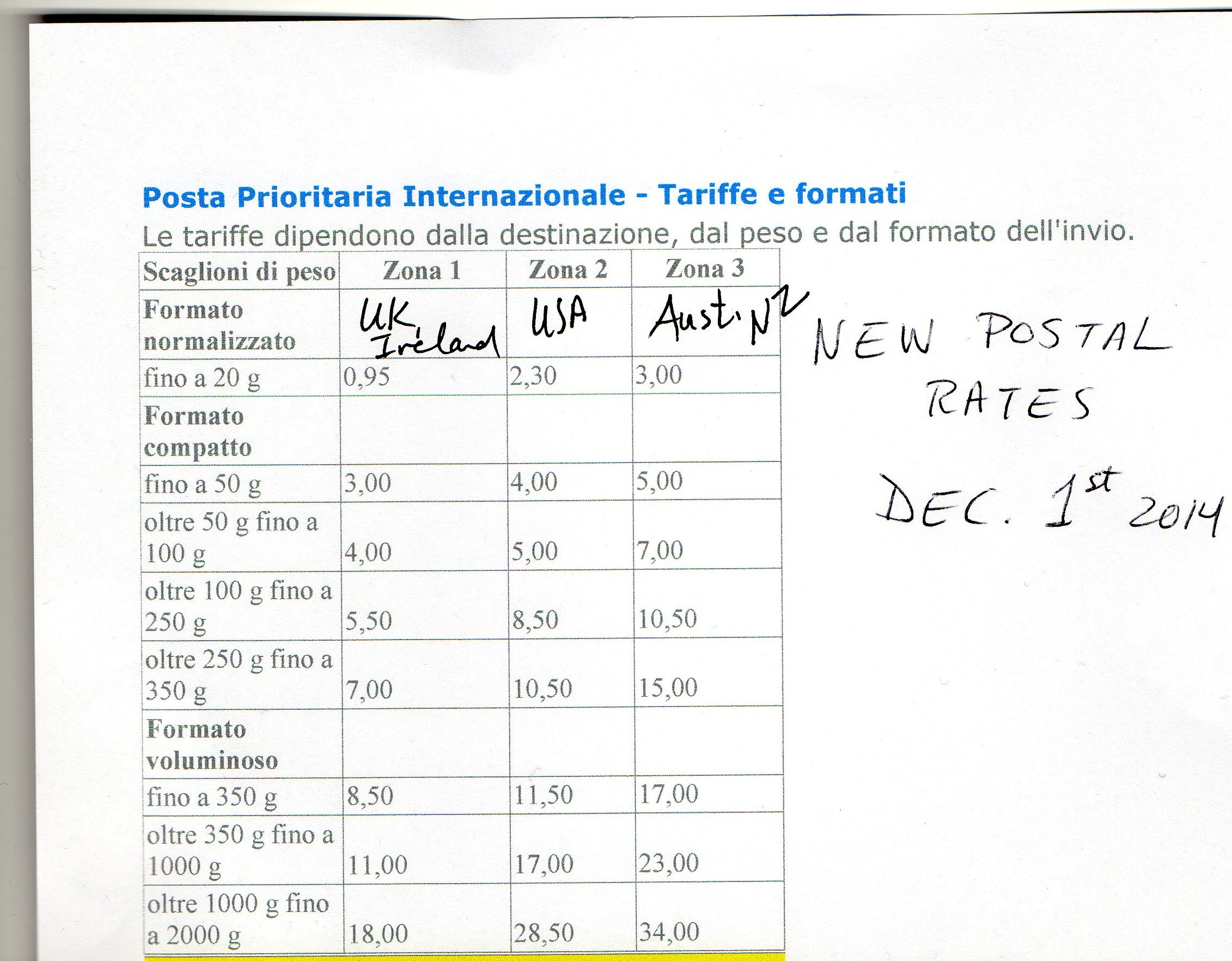
NEW POSTAGE RATES FROM ITALY BUY TWO DIFFERENT BOOKS AND SAVE ON POSTAGE

Lucia Ascione and Fulvio Ferri at TV2000
Listen to the live interview on TV2000
click on the photos to enlarge
Order here your copy signed by the author .
Per ordinare una copia firmato dall’autore
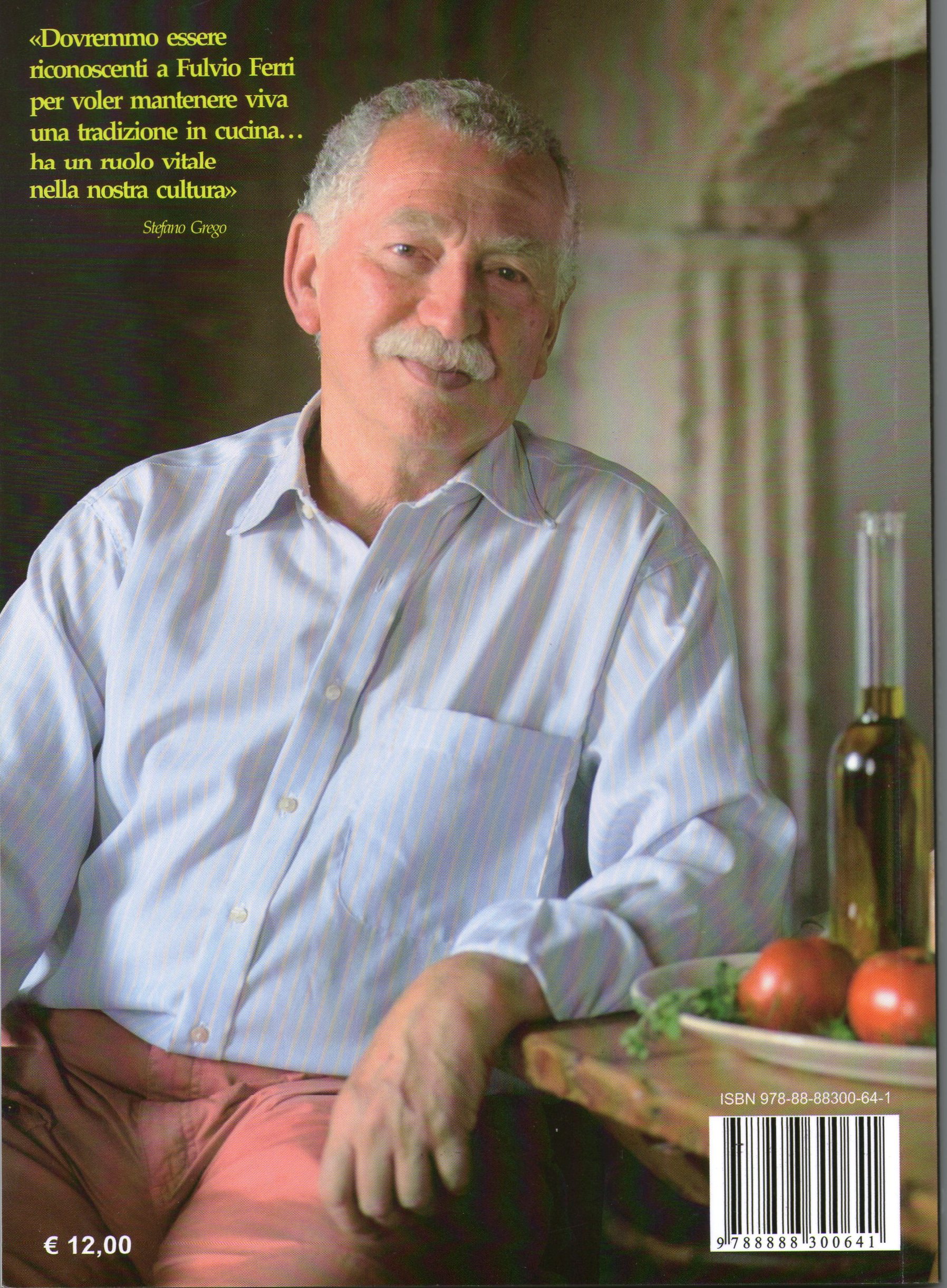
Author and chef Fulvio Ferri
Hot house strawberries and grapes are available out of season and can be purchased in supermarket chains… but the taste and prices show that they are not in season.
Reviews Olio e Ricordi in Cucina by Fulvio Ferri with English translation
Desidero ringraziare ancora entrambi per la deliziosa compagnia al lunch che ha seguito la presentazione di Martercard a Eataly e per il prezioso dono: il libro di Fulvio è davvero pregevole, ben fatto, perché chiaro, semplice e ordinato. Un carissimo saluto a tutti e due, Maria Concetta Mattei (TV personality)
Il divertente libro di Fulvio Ferri ha questo come base, un libro di cultura, cultura popolare, che riporta semplici ricette tramandate da un irreperibile libro “della nonna”. Quello che affascina nelle oltre 50 ricette è la loro semplicità e la facilità (credo solo apparente!) di esecuzione che spinge il lettore a riprodurre la sapiente combinazione di prodotti. In tutti i piatti l’ingrediente principe è l’olio extravergine d’oliva che rende anche il semplice “Pane e cicoria” un gustoso e sofisticato pranzo. Ma l’olio deve essere… di Vetralla come riporta la viva poesia di Franco Pistella. Non un semplice ingrediente, ma “un dolce liquor” che dà ai piatti un sapore incomparabile, completo, unico. E l’olio diviene in tutti i piatti il motivo dominante che dona intensità e sensazioni uniche.
This interesting book by Fulvio Ferri is basically a book of popular culture which narrates simple recipes passed down through the years from the grandmother’s unfindable book of recipes. What is surprising about the more than 50 recipes is their simplicity and the apparent easy preparation that urges the reader to reproduce them. In all the dishes the main ingredient is extra virgin olive oil which makes even simple bread and chicory a tasty and sophisticated lunch. As the lively poetry by Franco Pistella says, the oil must be that of Vetralla. Not just any old oil, but the “sweet liquid” that gives dishes an unbeatable taste, complete and unique. It is the oil that becomes the dominant motif and gives intensity and unique sensations.
Prof. Stefano Grego, Università della Tuscia
Back in the 1980s Fulvio was a coach and organizer of local soccer teams and one of the young players was Bruno Deligia. After several decades they were happy to meet again, unexpectedly. Here they pose and exchange a vintage photo of the soccer team and Fulvio’s book. The photo was taken at the military airport in Viterbo where Bruno now coaches air force cadets.
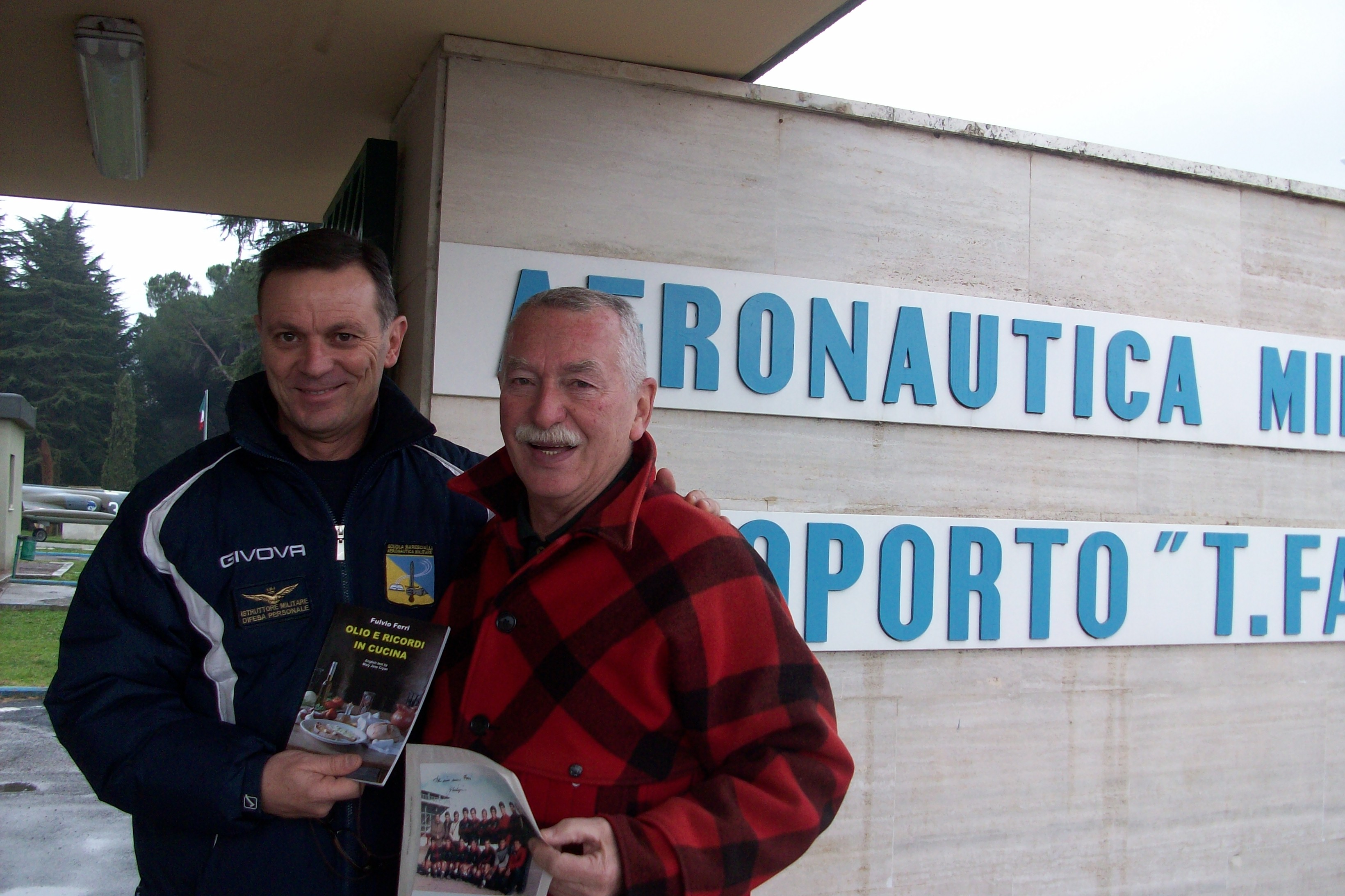
Bruno Deligia and Fulvio Ferri at Fabbri airport, Viterbo
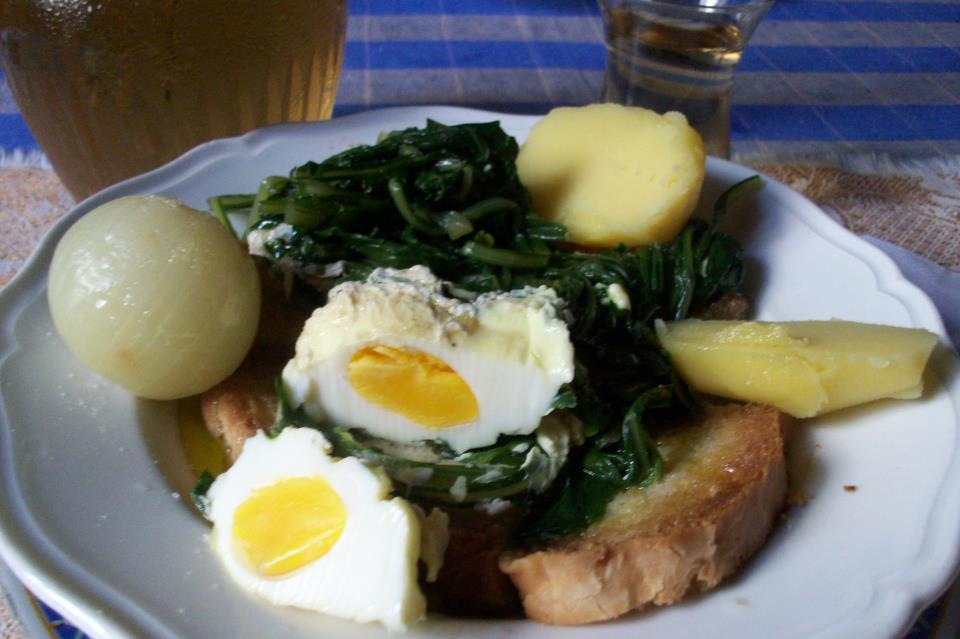
acquacotta
Fulvio Ferri, esperto di cultura viterb ese, articolista in dialetto ed ex segretario FAI di Viterbo, InOlio e ricordi di cucina compone, in 53 ricette, dall’acquacotta, ai fagioli in greppia, alla marmellata d’olive, un affettuoso affresco di tradizioni di Vetralla, con piccole deliziose soste fatte di foto, poesie e vignette. Con traduzioni in inglese di Mary Jane Cryan, sembra che il libro sia sulla scrivania di Michelle Obama.
Fulvio Ferri, expert of local Viterbese culture, writer in dialect and former secretary of the Viterbo section of FAI has gathered 53 recipes (ranging from acquacotta to beans and even olive marmalade ) to make an affectionate fresco of Vetralla’s traditions with delightful little scenes created with photos, poetry and designs.
Thanks to the English translation by Mary Jane Cryan, it seems that the book has made its way even to Michelle Obama’s desk.
Rivista Cantine & Sapori –la grande enogastronomica Made in Italy
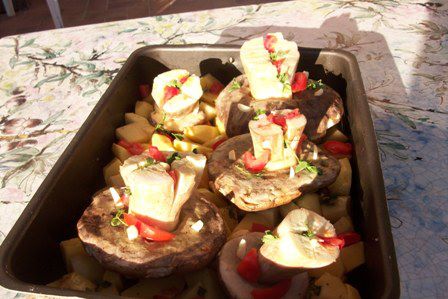
funghi porcini
Recent books about Italy that I recommend : Olio e Ricordi in Cucina, an Italian cook book by Italian chef Fulvio Ferri, has color photos and an English text written by Mary Jane Cryan of Elegant Etruria. It will be presented at three upcoming events:
Nov 1-Botanic Gardens of the Università della Tuscia,Strada Bullicame near the hot baths, Viterbo. A part of the Mushroom Festival with a cooking show, food booths and guided visits to the Botanical Gardens
Nov 29 -at the Secret Garden, Vetralla with a concert and food prepared by Fulvio from recipes in the book.
Dec. 5– at the Town Hall in Vetralla, Part of the Festa dell’Olio, festival for the new olive oil .
Martha Bakerjian, about.com guide
Ashley and I just got engaged and would love to get a copy of Fulvio’s book for our new home, it would be a wonderful reminder of picking olives in Vetralla and having lunch with Fulvio. Andrew Korcal,USA
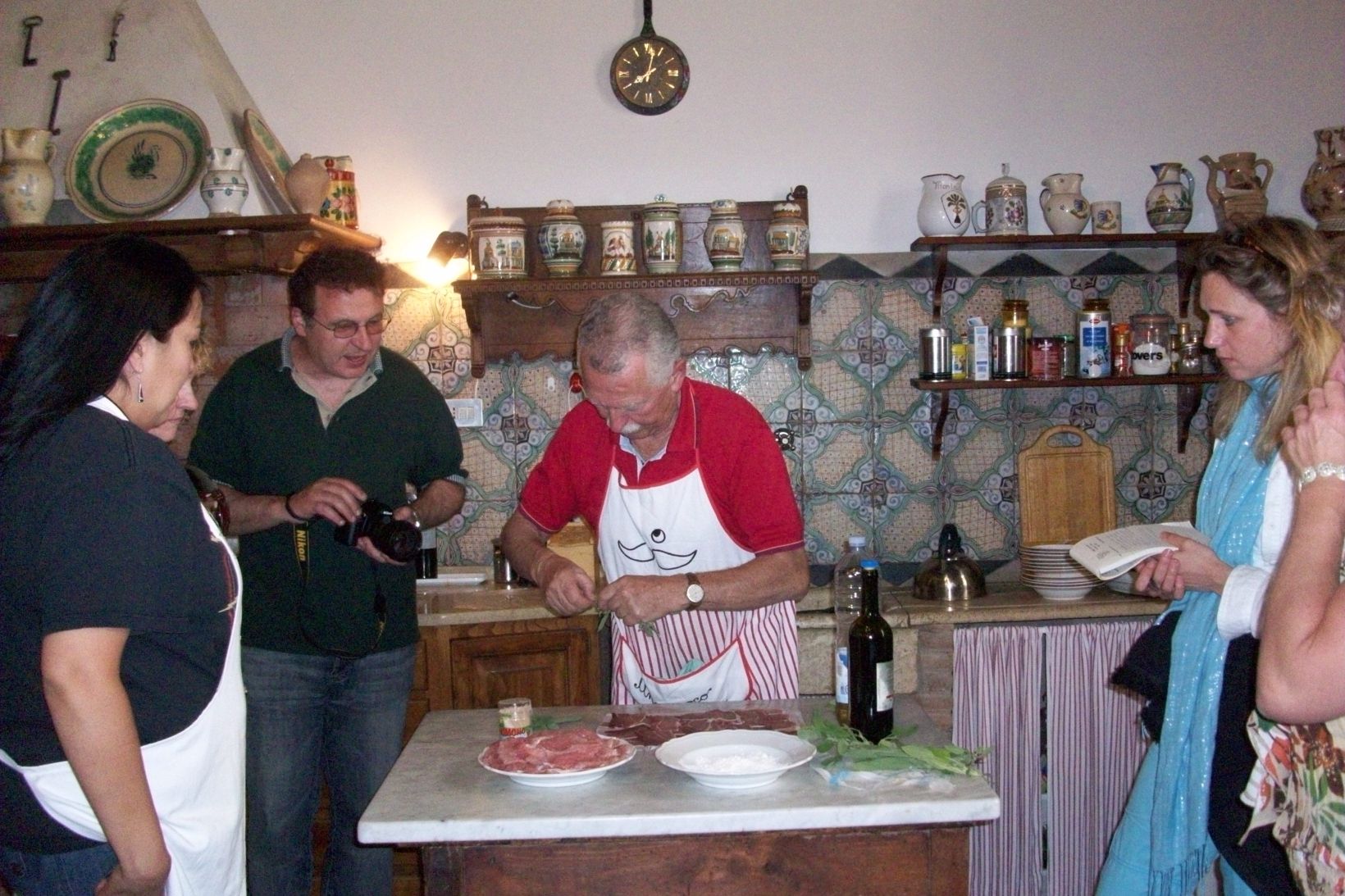
Read some recipes…
Frittata con asparagi selvatici e luppoli
In spring you can gather wild asparagus in the woods and along the sides of country roads while luppoli (hops) are to be found among the canes and along small brooks.
Quantity for four
Ingredients : 50 wild asparagus, 50 luppoli, 4 eggs, l clove garlic , 4 spoonfuls extra virgin olive oil, salt to taste.
– After having washed the greens and taken away the tough part, immerge them in boiling water for a few minutes.
– brown the garlic in oil in a non stick pan, then take it out.
– Shake excess water from the asparagus and luppoli and mix them for a few minutes in the pan. Add the well beaten eggs and continue with the frittata . Be sure to cover the pan to cook the eggy surface. Add salt to taste when its almost finished. Enjoy with light rosè wine.
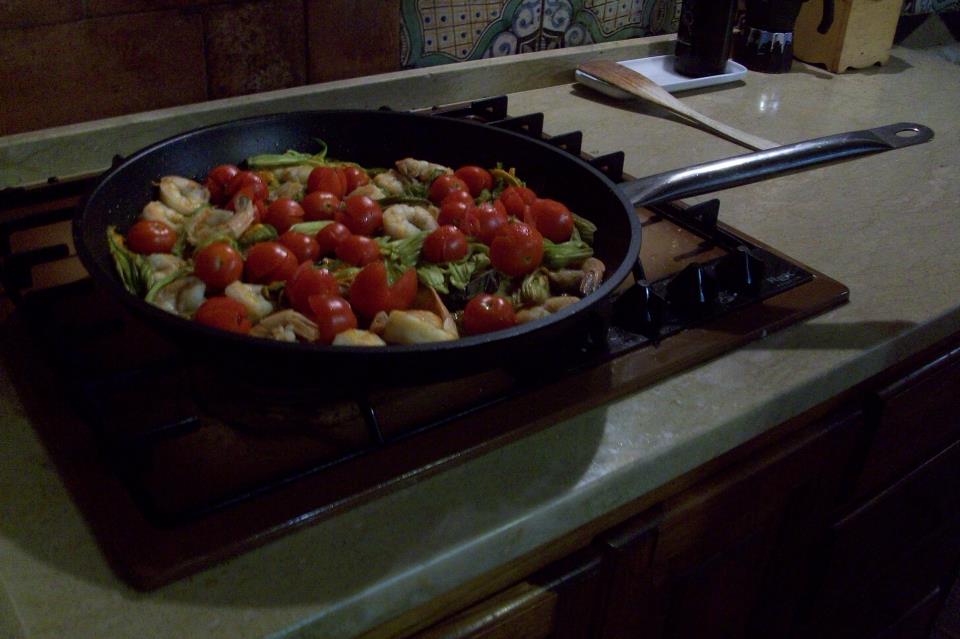
shrimp with cherry tomatoes
Pizza Napoletana con Fiori di Zucchina
Tasty and easy to make. A good way to use up the season’s many zucchini flowers. Ingredients for four
500 gr. pizza pasta (pasta di pane)from the baker or at the supermarket.
4 cleaned alici (anchovies), 50 large zucchini flowers, extra virgin olive oil, salt, pepper to taste
-Delicately clean the zucchini flowers, open them and set them on a large plate , drizzle with a bit of olive oil, salt, pepper. Set them on the plate so that they get the flavours on both sides while sitting in the fridge for about an hour.
-Spread the pizza pasta on an oven pan that has been oiled, work the pasta with your fingers until it covers the entire pan.
-Spread the zucchini flowers on the pasta covering with several layers until the flowers have all been used.
-Add the anchovies broken into small bits and spread evenly
-Cover all with the cut up mozzarella in thin slices so that the flowers are totally protected.
-Pass in the pre heated oven (160-180 °) and cook until the mozzarella is lightly browned.
-Serve immediately cut in 4 parts with a cold white wine.
Carciofi All’Agnesina – Artichokes Agnesina style
I learned this dish from my grandmother Agnesina who had a restaurant in Vetralla. Since we had a large family she knew how to save money on the ingredients; in fact, the carciofi are neither “alla giudia” nor “alla romana” but a little bit of both.
Ingredients for 4: 4 cimaroli (the best and biggest, from the top of the plant) artichokes, 4 alici cleaned & deboned, 2 cloves of garlic, fresh mentuccia (mint), lots of extra virgin olive oil, dry white wine.
–How to clean the artichokes: Take off the external leaves until the white part is visible at the base, cut the top 1/3 of the artichoke and cut the stem until the base of the artichoke so that it can stay “seated” in the pan.
Immerse them immediately in water with vinegar or lemon juice to keep them from turning black. Clean the stem with a knife and cut in pieces measuring 7/8 cm. & add them to the water .
Cooking: Enlarge the “mouth” of the artichoke and put in half cloves of garlic, the fresh mint and a small anchovy. Pour oil over the artichokes and set them in a terracotta pan. The pan’s surface should be covered with oil. Place them close to each other with the stem pieces.
Add water and wine in equal parts but not submerging the artichokes.
Cover the pan and cook over a low fire until the liquid begins to boil lightly. Move them once in a while to be sure that they do not stick to the pan as they cook . They are ready when a fork easily enters the base of the artichoke.
Enjoy with white delicate wine.

Involtini
January:
In Sardegna the myrtle berries are ripe for picking and to be turned into mirto liquore.
February & March:
Wild asparagus and hops (luppoli) start pushing their way through the underbrush. It takes a trained eye to see them along country roads. First salads such as puntarelle, crisp spinach, romaine lettuce.
April:
Salads, artichokes (carciofi) the best are the braccioli from the fields of Tarquinia & Cerveteri, peas (piselli)
Cherries, fennel (finocchio), rocket ( rucola or rughetta) for a bitter taste in salads . Zucchini are at the top of their beauty and goodness and the flowers can used in a variety of ways: on pizza, stuffed and fried. Black truffles (scorzone), tiny wild strawberries (fragolini di bosco) , asparagi, pears.
June:
Peaches, green beans (fagiolini), apricots (albicocche), patate novelle
July:
Eggplant (melanzane), plums and prunes, tomatoes, melons.
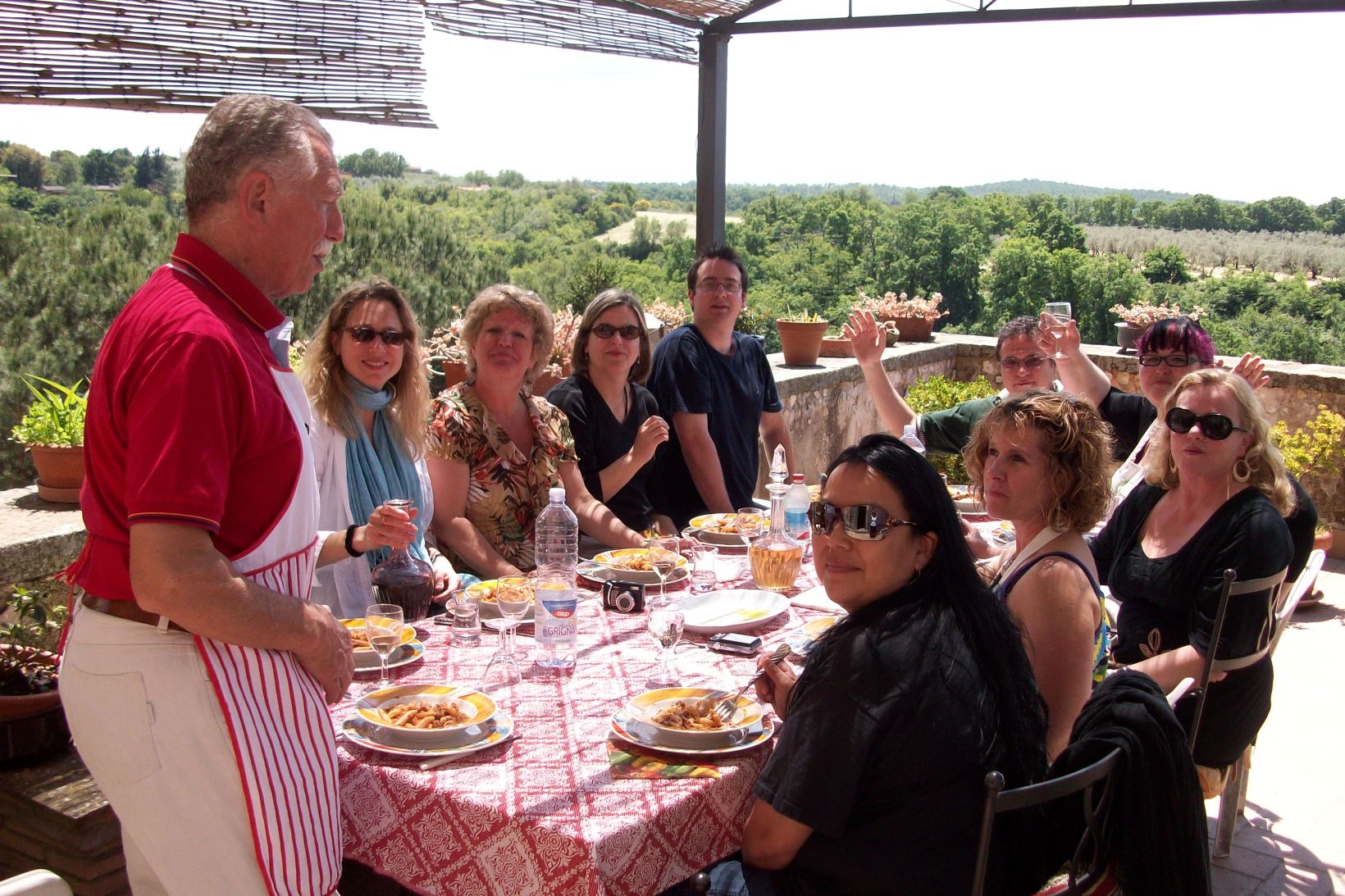
lunch on the terrace
August:
Blackberries (more), green apples used for cider, watermelon (anguria)
September:
Figs, grapes – “Settembre l’uva è fatta e il fico pende”
October:
Mushroom hunting begins, porcini can be found in Vetralla’s woods, chestnuts.
November:
Truffles, mushrooms, olive harvest, the pumpkins (zucca) that have been growing all summer are now ripe for harvest and will be used in a thousand ways throughout the winter.
December:
Sicily’s oranges and Sorrento lemons are at perfection.
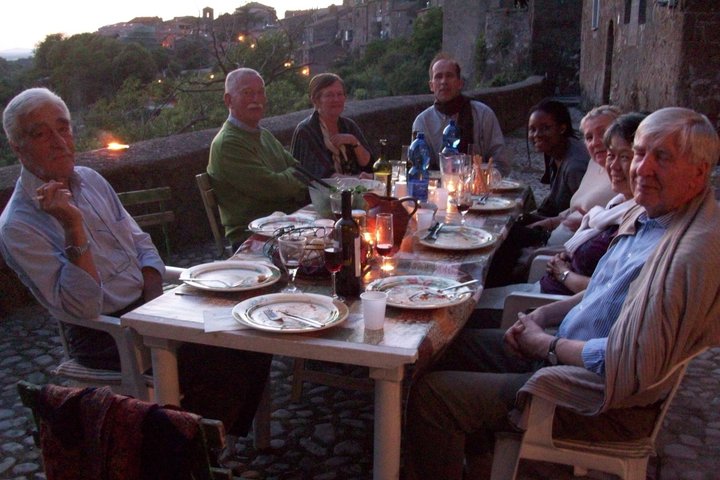
dinner under the stars with friends from several continents, San Giuseppe, Vetralla
— — — —- —- — —- —– —-
Signed copies are available exclusively from the author. Order now in time for Christmas
See here for list of our trusted bookshops
Payment by paypal or postepay.
Free postage to Italian addresses.
Price 12 euro plus postage (7 euro to USA)